THE EXPEDITION REPORT / PLAY REALM GUIDE
Wildermyth
A flexible tactics RPG whose most interesting plans develop around heroes changed by their own campaign.
Game facts
- Developer
- Worldwalker Games LLC
- Publisher
- Worldwalker Games LLC, WhisperGames
- Released
- 15 June 2021
- Platforms
- Windows · macOS · Linux (Steam edition)
- Model
- Paid game
- PEGI
- 12 — Nintendo Switch Console Edition edition; not a separate PC classification
- Players
- Single-player · Multi-player · Co-op · Online Co-op
- Length
- Long
- Difficulty
- 2 / 5 · Moderate
- Steam Deck
- Verified
PEGI source ↗ · Steam Deck status source ↗
Edition: Base game
The score, explained
The interest and responsiveness of the core decisions and actions.
How progression, exploration and goals fit together.
The coherence of the visual, musical and narrative presentation.
How clearly the game explains its rules and offers useful ways to engage.
The depth of optional goals, alternative approaches and reasons to return.
The party is a changing set of possibilities
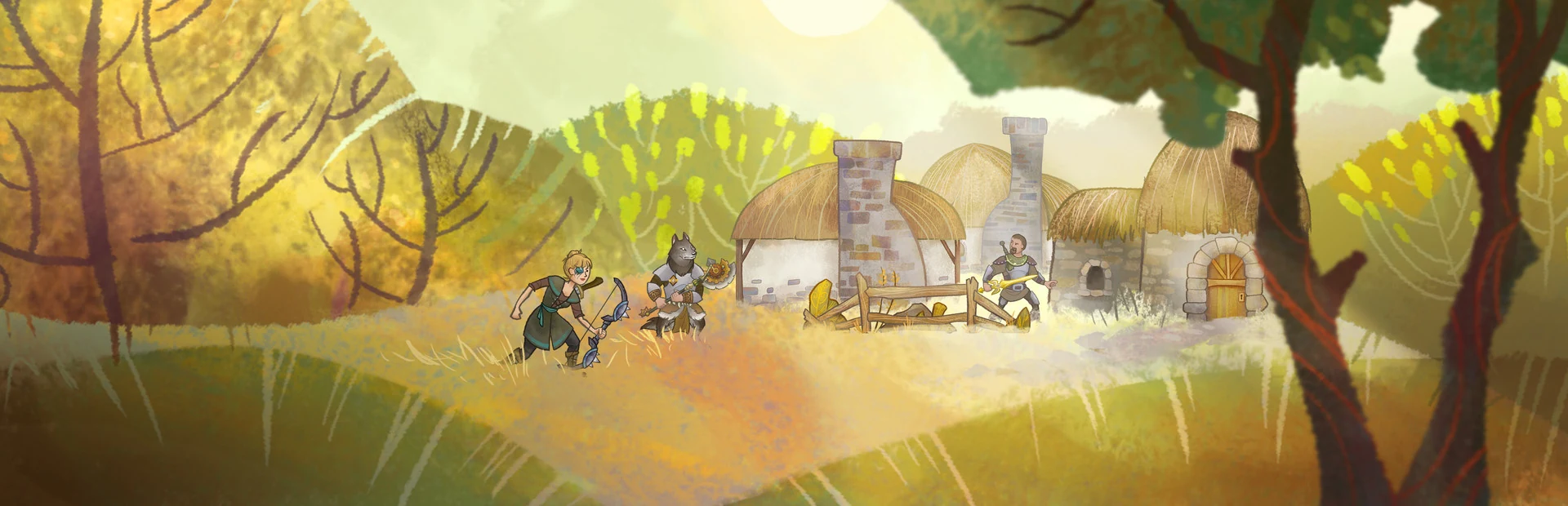
Wildermyth starts with ordinary people who become adventurers, and its strategic appeal grows from the way those people change. Warriors, hunters and mystics offer recognisable combat roles, but events, relationships and transformations can make a hero more distinctive than the initial class suggests. Between battles, the campaign map asks where the party should travel and which developing threat deserves attention. This gives character decisions a context beyond the next fight. A hero is useful because of what they can do now, but also interesting because the campaign has given them a history. For Play Realm Guide, that combination matters: party building becomes an evolving plan whose pieces carry relationships and consequences, rather than a static selection of efficient combat abilities.
Use the room as part of the party
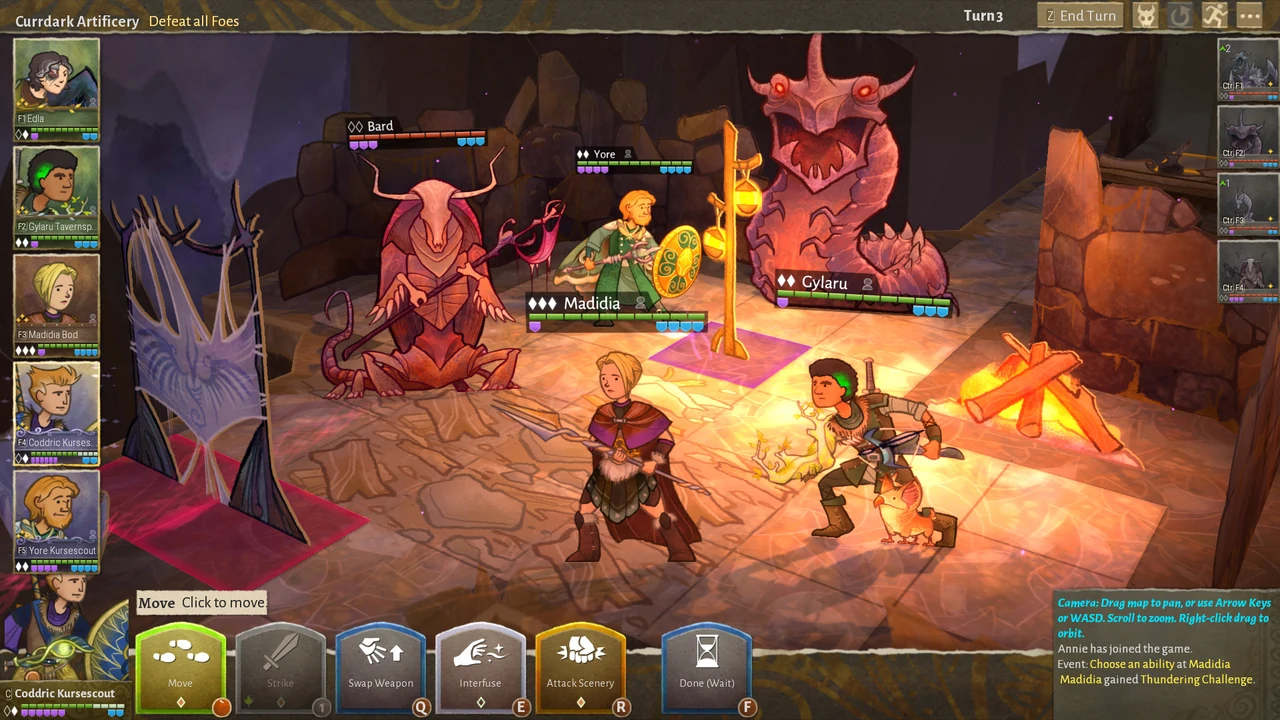
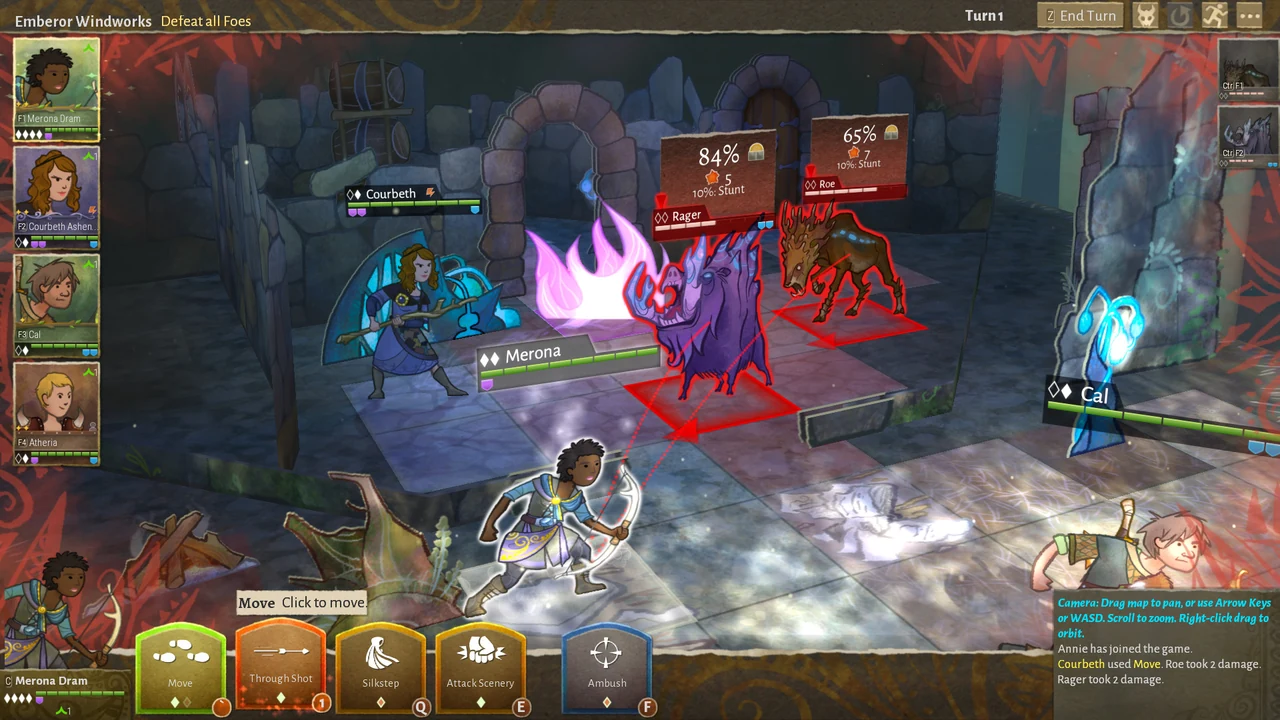
Tactical encounters give each class practical ways to shape a battlefield. Positioning and flanking reward cooperation, while mystics can interfuse with scenery to create effects from objects in the environment. That makes a room's contents part of the available toolkit. An unusual transformation or relationship bonus can further change what a familiar hero contributes. The combat is strongest when you consider the party as a connected set of opportunities, setting up one character so another can finish the job safely. Campaign events then complicate that arrangement by changing people rather than merely increasing their statistics. This keeps a long-term plan interesting: the goal is not to preserve an ideal formation forever, but to recognise how a developing hero might support a different way of fighting.
The procedural structure has visible seams
Wildermyth's events gain meaning from the characters involved, but players who want every scene to be uniquely authored around one fixed protagonist may notice the underlying structure. Similar situations can recur across campaigns, and the comic-panel presentation places more weight on reading and imagination than on cinematic performance. Battles also work best when you enjoy examining abilities and positioning, rather than expecting immediate action. The campaign's ageing and changing roster can challenge an attachment to a particular arrangement of heroes. Those qualities are deliberate parts of the design, but they shape the recommendation. It is a stronger choice for someone willing to collaborate with an emerging story than for a player seeking a completely controlled narrative with a single intended version of every event.
Choose it for strategy with personal consequences
Wildermyth is particularly appealing when you enjoy remembering why a character became useful, unusual or important to the group. Its legacy system gives selected heroes a life beyond one campaign, while new circumstances can place familiar people in different arrangements. That continuity makes another adventure feel connected without requiring the same decisions to be repeated. Within this catalogue, it occupies the space between a tactical puzzle and a character-led RPG. Choose it if relationships and unexpected developments can make an imperfect strategy more interesting. Players focused only on competitive balance may prefer a more controlled tactics game. Here, the pleasure is allowing a campaign's people and events to influence the plan, then making that altered plan work when the next battle begins.
The verdict
A flexible tactics RPG whose most interesting plans develop around heroes changed by their own campaign.
Reasons to play
- Scenery gives mystics unusual tactical options
- Relationships and transformations affect the party
- Legacy heroes connect separate adventures
Reasons to think twice
- Procedural events can reveal repeated structures
- Ageing disrupts settled party arrangements
See the game
Assist & accessibility
Explore the available settings and control options on the official game page before choosing your setup.
Parents’ guide
Players: Single-player · Multi-player · Co-op · Online Co-op. No in-game purchase marker in the checked Steam listing. Separate downloadable content may be sold.
Age classification: 12. Nintendo Switch Console Edition edition; not a separate PC classification
A useful starting tip
Consider how an ability supports the whole party's positioning, not just the damage one hero can deal alone.
A different direction
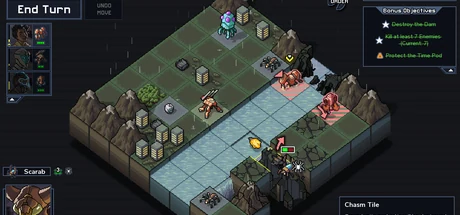
Compare this with Into the Breach: Exceptional tactical clarity turns three mechs and a small board into a rich sequence of consequential decisions.
Official sources
Reviewed: November 2026
You might also like
 BalatroRead review →
 Into the BreachRead review →
 Slay the SpireRead review →